Posts

Showing posts with the label recipes

Fresh Asparagus Recipes: Perfect Side Dish For Any Meal
Image
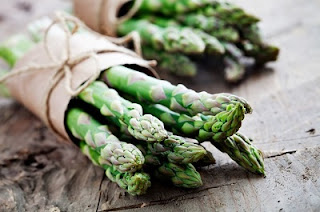
Asparagus is one of the most popular vegetables in the world. One of the reasons for this is because it is a low calorie food that is packed with vitamins and minerals. It is also low in fat and has a high fiber content. This makes it a healthy choice for any diet. The only negative is that it has a high amount of sodium. However, there are ways to make it healthier. One way is to cut the asparagus into smaller pieces and use them in a stir fry. Another way is to boil the asparagus for about two minutes and then add it to a salad. These are just two of the many ways to prepare this fresh asparagus . It's true that some people love asparagus so much that they could eat it every day, but most people need a break from it. The truth is, there are a lot of vegetables out there that are just as good, if not better, than asparagus. Fresh Asparagus Recipes can provide a break from the same old vegetable. These asparagus recipes are perfect for anyone who's been wanting to change up th...
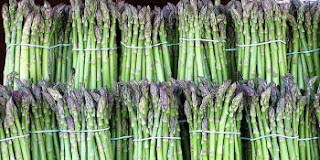
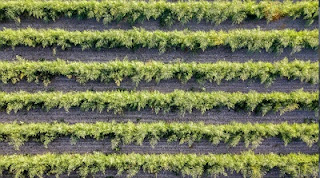
A look at some of the fresh Asparagus Recipes

Image
Fresh Asparagus Recipes are made from asparagus which is a spring vegetable. Asparagus belongs to the lily family and is a flowering perennial plant. It is usually grown as a temperature crop but also has the potential of being grown as a tropical crop. It is crawler just like thorny plants and is available in three colors, which are purple, green and white. The origin of this vegetable is unknown. Nonetheless, it is believed that it might have originated from some place in the eastern Mediterranean area. Its recipes are found in the oldest surviving recipe books like Apicius from the 3rd AD which is a collection of Roman cookery recipes. Ancient Romans, Greeks, Egyptians ate fresh asparagus during its season and dried it for use in winter. The shoots of asparagus is strongly flavored and turn woody once the buds commence opening, hence they are eaten when they are young. This vegetable is cooked in various ways in cuisines all over the world. Asparagus is generally served as an appe...

Asparagus: Everything You Need to Know

Image
Asparagus recipes are prepared with asparagus, a spring vegetable. Asparagus is a blooming perennial plant of the lily family. It is often cultivated as a temperate crop, although it has the potential to be grown as a tropical crop as well. It is a creeper that looks like a prickly plant and comes in three colors: white, green, and purple. Asparagus recipes have been used for thousands of years for both culinary and medical reasons because of their delicate flavor and diuretic qualities. Asparagus is a vegetable crop that is grown all over the world. It is native to much of Europe, North Africa, and West Asia. The origin of fresh asparagus is uncertain, however, it is thought to have originated somewhere in the eastern Mediterranean region. Its recipes may be found in the oldest surviving recipe books, such as Apicius, a compilation of Roman cooking recipes from the third century A.D. When asparagus was in season, the ancient Egyptians, Greeks, and Romans ate it fresh and dried it fo...

Kitchen utensils and materials available for Kitchenware

Image
In broad terms, kitchen utensils or tools are vital elements utilized in a kitchen for cooking purposes. These might be appliances utilized to simplify procedures utilized in preparing and serving food. Kitchen tools are frequently prefixed with the word “ware”, implying utensils and tools in a bigger sense but the term is utilized from a functional and merchandizing point of view.   Some vital categories such as cutlery are both eating and also kitchen utensils. Knives are part of the cutlery in a kitchen, which includes other cutting equipment, but are also utilized in dining, just like forks and spoons. Other types of kitchen utensils, though not specifically referred to for any specific usage, are also addressed with the word ware.         In the beginning of the 18th century, most of the kitchen equipments were made of iron, copper, or earthenware. Nonetheless, cooking each of the recipes had unique properties and reactionary effects on the food...